
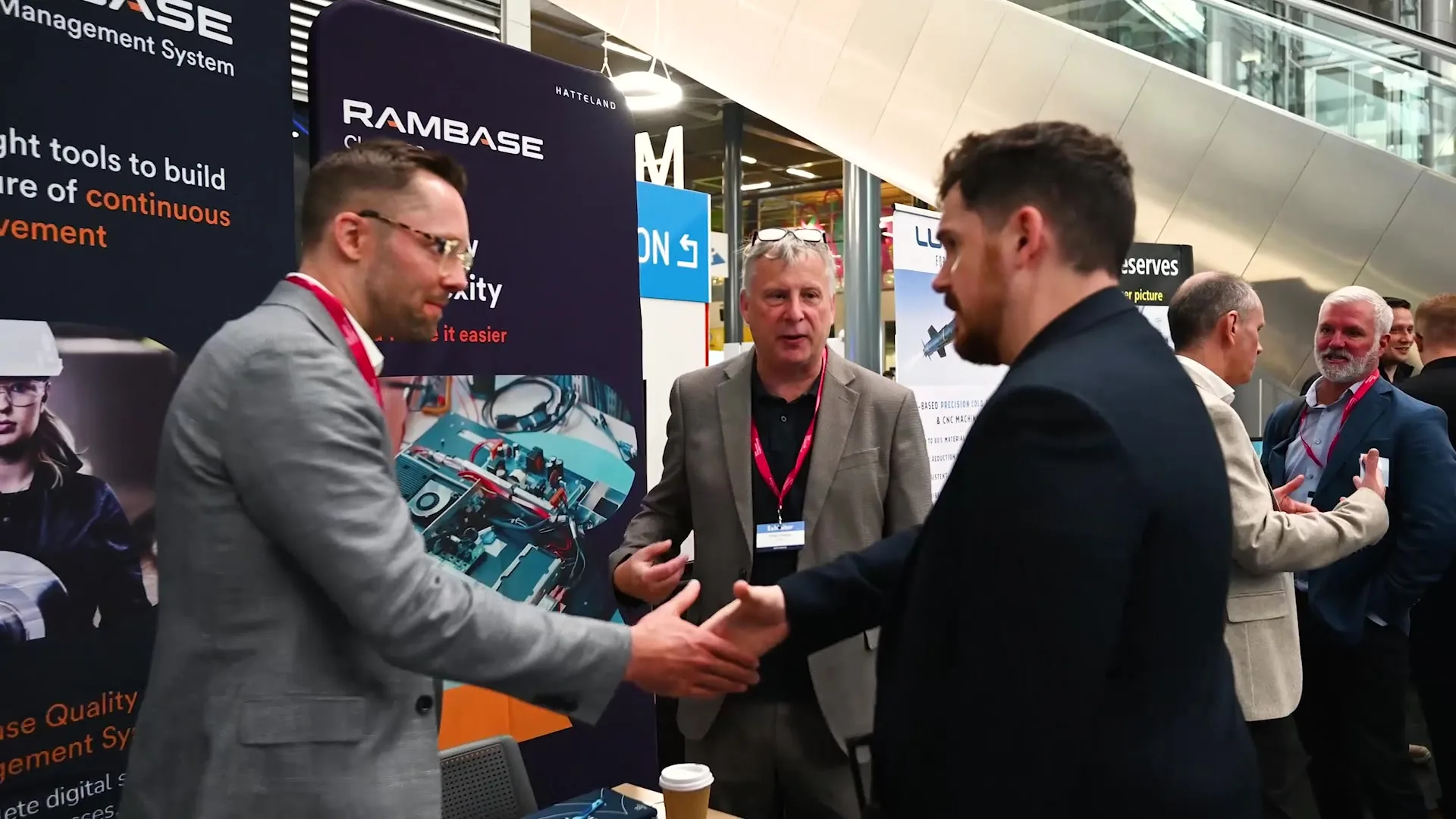
New figures show that smaller businesses are winning more valuable defence contracts, but fewer of them. As the UK looks to expand its defence industrial base, where do the biggest opportunities lie?
The Ministry of Defence awarded £981 million in new contracts directly to SMEs during 2025/26, an increase of £104 million on the previous year.
Encouraging news for smaller businesses looking to benefit from growing defence investment.
But there’s another figure worth examining.
The number of new SME contracts actually fell, from 559 to 523.
In other words, more money was awarded through fewer contracts. That isn’t necessarily a problem – so long as that benefits the wider supply chain.
And it highlights the vital importance of more UK-based companies demonstrating the capability, capacity and innovation they can bring so that more contracts get awarded more widely.
The opportunity beyond government contracts
The government’s ambition is substantial. Its SME Action Plan, published in July, sets out plans to increase annual defence spending with smaller businesses by 50%, from approximately £5 billion to £7.5 billion by summer 2028.
Yet perhaps the most revealing figure is that around 75% of existing defence spending with SMEs takes place indirectly, through the wider supply chain.
Only around a quarter comes through direct MOD contracts.
The implication is important.
For many manufacturers, engineering businesses and technology companies, the most promising route into defence may not involve winning a contract directly from the government.
It may involve becoming a trusted supplier to an established defence prime.
That places considerable importance on how major contractors identify, assess and develop relationships with smaller businesses.
And there’s evidence of what these partnerships can achieve.
When a smaller supplier makes a bigger difference
One example highlighted in the MOD’s SME Action Plan involves Lancashire-based North Product Design Studio.
BAE Systems engaged the company to develop a seven-inch avionics display for Typhoon concept prototyping.
The project was completed in three months, compared with a projected internal delivery period of 12 months. The relationship has since expanded into further development work.
It’s a striking example of what can happen when a major contractor combines its scale, experience and access to complex programmes with the specialist expertise and agility of a smaller business.
Of course, not every project can achieve comparable results. Defence programmes involve demanding technical, security and regulatory requirements.
But that’s precisely why collaboration matters.
The opportunity isn’t for SMEs to replace established defence contractors. It’s for both to achieve things together that might be harder to deliver independently.
Turning introductions into lasting relationships
There are encouraging signs that government and industry recognise the importance of making these relationships easier to establish.
The MOD’s SME Action Plan identifies measures to reduce unnecessary paperwork, improve visibility of opportunities and encourage major suppliers to work more closely with smaller businesses.
It also highlights a three-month accelerator delivered with the High Value Manufacturing Catapult and Make UK Defence, supporting 20 SMEs to strengthen or adapt their capabilities for the defence sector.
These initiatives address a practical challenge.
An innovative manufacturer may have exactly the expertise a defence customer needs, but still struggle to identify the right opportunity, understand procurement requirements or demonstrate its readiness to deliver.
For SMEs, that means looking carefully at where existing capabilities could solve a defence customer’s problem, rather than assuming they need to develop an entirely new product.
For primes, it means looking beyond established suppliers and recognising the expertise available across Britain’s wider manufacturing and technology base.
And for both, it means turning initial conversations into productive, long-term commercial relationships.
The government’s £7.5 billion spending ambition provides a useful measure of progress. But perhaps we should also ask how many businesses are entering defence for the first time, and how many are progressing from an initial contract to sustained commercial relationships.
The real opportunity isn’t simply to increase how much defence spends with SMEs. It’s to enable more businesses to become successful, long-term participants in its supply chain.
And achieving that will depend as much on the relationships between businesses as it does on the contracts awarded by the government.